Turning AI Ambition into Operating Intelligence: The DMALL–Wumart Retail Transformation
In the retail industry, profitability is rarely determined by a single strategic decision. Instead, it is shaped by thousands of micro-decisions made every day: when should fresh produce be discounted, and by how much? Are freezer temperatures calibrated to balance food safety with energy efficiency? Does a self-checkout station require immediate intervention, or can it continue operating unattended?
Historically, these decisions have been managed through fragmented systems, manual routines, and individual experience. At scale, however, such approaches introduce systemic friction, resulting in delayed responses, inconsistent execution across stores, and limited ability to scale operational excellence.
It is against this backdrop that the World Economic Forum (WEF) featured the joint DMALL–Wumart case, “Enterprise retail AI for pricing, loss prevention and energy management,” in its 2025 MINDS Programme Report. More than a recognition of technological capability, the selection reflects a broader industry inflection point: retail is moving from "digital enablement" to "AI orchestration," transforming technical ambition into measurable business value.
The Challenge: Managing Complexity Across Retail Networks
As retail networks expand, operational complexity increases faster than traditional management models can absorb. Practices that work at the store level, such as manual oversight, standardized rules, and periodic reviews, become increasingly difficult to coordinate across hundreds of locations.
For example, markdown policies are often applied uniformly across the network for simplicity. This "one-size-fits-all" approach ignores wide variations in inventory exposure, shelf life, and local demand, leading to either unnecessary waste or avoidable margin loss.
Operational visibility presents a similar challenge. Issues such as empty shelves, planogram deviations, or checkout anomalies are typically identified through scheduled audits or staff reporting. By the time these issues are surfaced, the window for timely intervention has often already closed.
Energy and equipment management further illustrate the limits of conventional control models. Refrigeration, lighting, and HVAC systems frequently operate on fixed schedules, disconnected from real-time foot traffic, temperature fluctuations, or load conditions. Without dynamic coordination, energy consumption accumulates as a largely invisible cost, rarely questioned at the store level, yet material when multiplied across an entire retail network.
The Solution: Governing Retail Operations Through AI
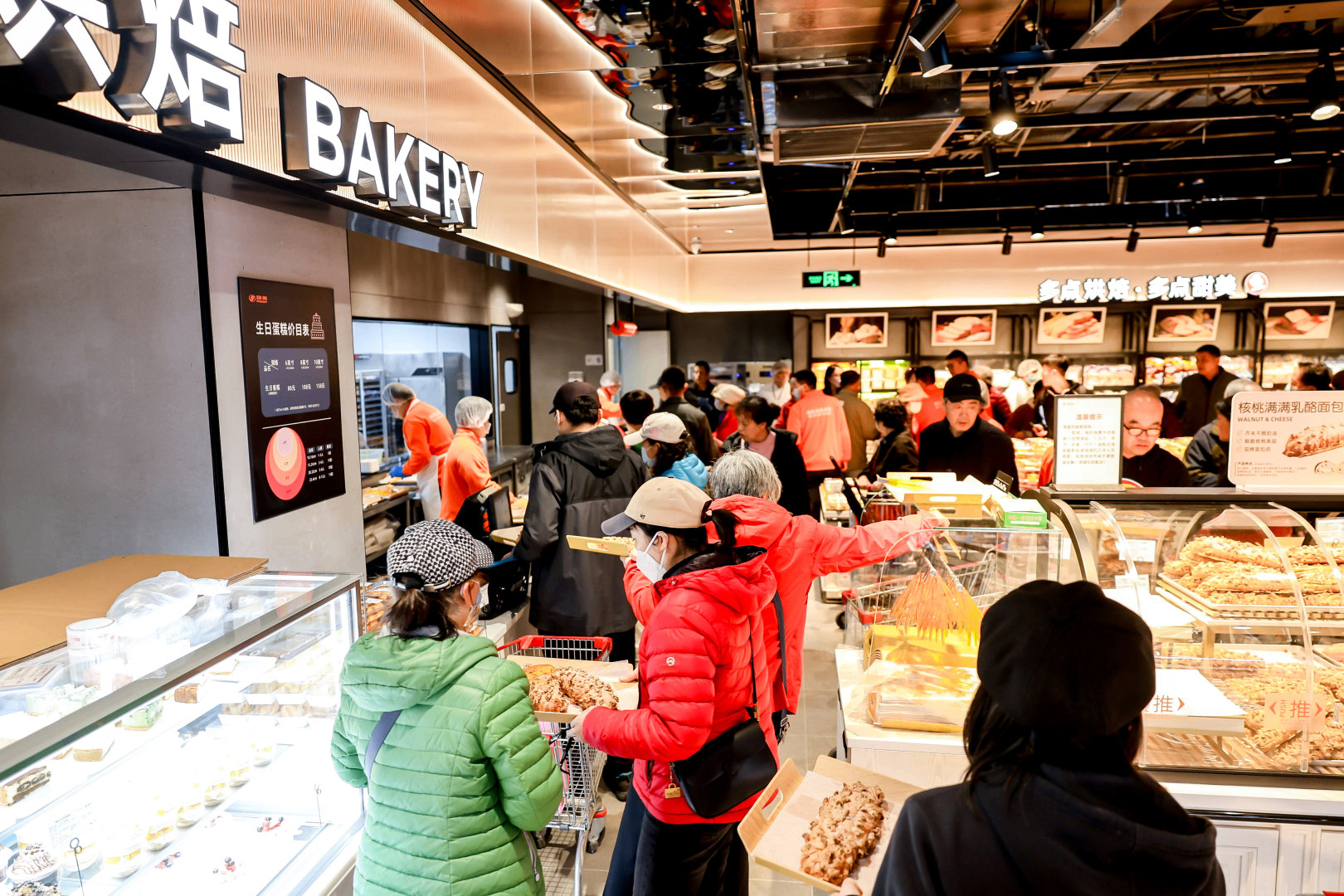
Rather than adding new point solutions, DMALL introduced a unified operating platform that embeds AI as a core operational capability. The platform integrates sales data, inventory systems, computer vision inputs, and IoT sensor data into a shared workflow, enabling AI to coordinate decisions across pricing, operations, and energy management in real time.
Dynamic Pricing
For fresh food retailers, pricing decisions sit at the intersection of waste control and gross margin protection. Traditionally, markdowns rely on fixed schedules and managerial judgment, often reacting too late to inventory risk.
DMALL’s AI-powered pricing solution replaces static rules with dynamic decision-making. By analyzing sales velocity, remaining inventory, and shelf-life exposure, the system calculates SKU-level discount curves that adjust in real time to store-specific conditions.
Smart Operations and Loss Prevention
Operational consistency depends on timely visibility, an area where traditional audits struggle to keep pace. Through computer vision, DMALL transforms store cameras from passive recording devices into active operational sensors.
Video feeds are continuously analyzed to detect events such as self-checkout scanning errors, missed scans, or operational anomalies. These events are automatically converted into guided tasks, allowing issues to be addressed during the operational process rather than after losses occur.
Smart Energy Management
Energy optimization is often treated as a standalone sustainability initiative, separate from core operations. DMALL embeds energy management directly into the operating system.
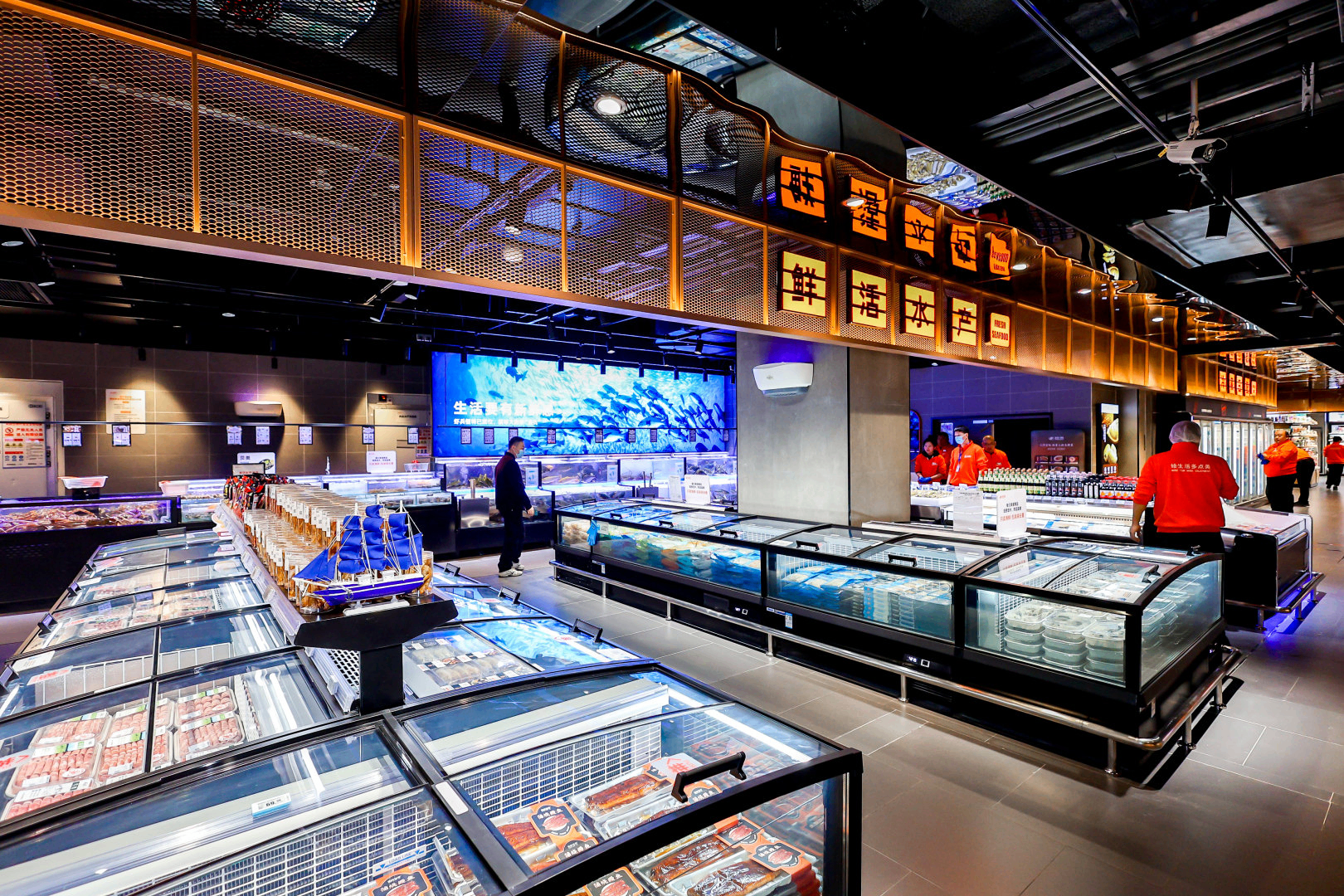
Through its AIoT platform, refrigeration, lighting, and HVAC systems are monitored and coordinated in real time. AI dynamically adjusts equipment settings based on environmental conditions, traffic patterns, and operational load, maintaining food safety and customer comfort while reducing excess consumption.
Impact: From Local Optimization to Network-Level Outcomes
Across pilot deployments spanning approximately 100 stores, the transition from manual control to AI-driven orchestration delivered results that were both measurable and scalable.
Financial Uplift: AI-driven dynamic pricing reduced reliance on intuitive, last-minute markdowns, improved full-price sell-through, and lowered waste. On average, stores achieved a gross profit uplift of approximately USD 421 per store/day, demonstrating how small pricing improvements compound into meaningful financial gains at scale.
Operational Efficiency and Loss Prevention: By proactively identifying checkout anomalies and execution gaps, the system significantly reduced the need for manual supervision. Stores achieved a 30% reduction in labor costs, alongside an 85% reduction in shrink, shifting loss prevention from reactive correction to in-process control.
Environmental Responsibility: In energy management, AI-enabled coordination across refrigeration, lighting, and HVAC systems delivered both economic and environmental value. At the flagship store level, daily energy consumption declined by 26%. When extended across pilot sites, this translated into the avoidance of approximately 85,600 tonnes of CO₂ emissions annually, reinforcing sustainability as a direct outcome of operational intelligence rather than a standalone initiative.
Conclusion
The DMALL–Wumart case illustrates what the next phase of retail transformation looks like in practice. By applying AI as an operating intelligence foundation, the partnership demonstrates how thousands of daily micro-decisions can be governed, coordinated, and executed with consistency at scale.
The result is not a trade-off, but a convergence: economic performance, operational efficiency, and environmental responsibility reinforced simultaneously.