Renovation vs. Reinvention: The Logic Behind China’s Supermarket Transformation
China’s supermarket sector is undergoing one of the most significant structural resets in its modern history. According to the latest data from the China Chain Store & Franchise Association (CCFA), the industry is consolidating rapidly: the top 100 supermarket enterprises saw a 9.8% year-over-year reduction in store count—a net decrease of 2,750 locations.
However, this consolidation has triggered a nationwide wave of innovation rather than retreat. From industry giants like Yonghui and Wumart to regional players, retailers are actively pivoting. Whether it is shifting toward hard-discount models, "community-centric" makeovers, or integrating dining with retail, "Transformation" has become the industry's primary growth strategy.
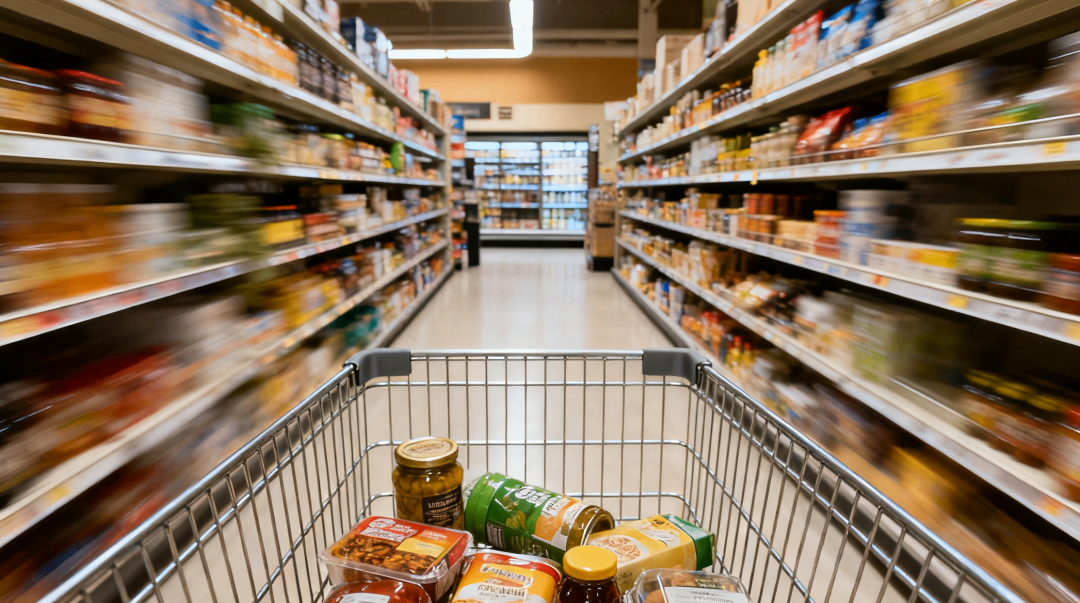
Yet, as this trend expands from Tier-1 cities to county-level markets, the results have been mixed. While some flagship stores are thriving, many others experience only a temporary traffic spike before performance falters.
Why do some pivots succeed while others stall? The answer lies in identifying the difference between a superficial renovation and a systemic overhaul.
The Trap: Form Without Function
Many retailers are falling into a fatal trap: they are changing the form of their business without fixing the function.
The Discounter Fallacy: Changing the Price Tag, Not the Cost
The first failure is operational. Witnessing the success of hard-discount models, many retailers are rushing to copy the aesthetic: they strip down decor, delist brands, and slash prices.
The Result: An initial sales bump that quickly turns into heavy losses.
The Reason: True discounting isn't just about selling things cheaply; it’s about operating cheaply. Successful discounters turn a profit because they possess hyper-efficient supply chains and source directly from factories. If a retailer cuts prices without lowering their underlying operating costs, they aren't transforming—they are just bleeding cash.
The Digital Facade: Apps on the Outside, Silos on the Inside
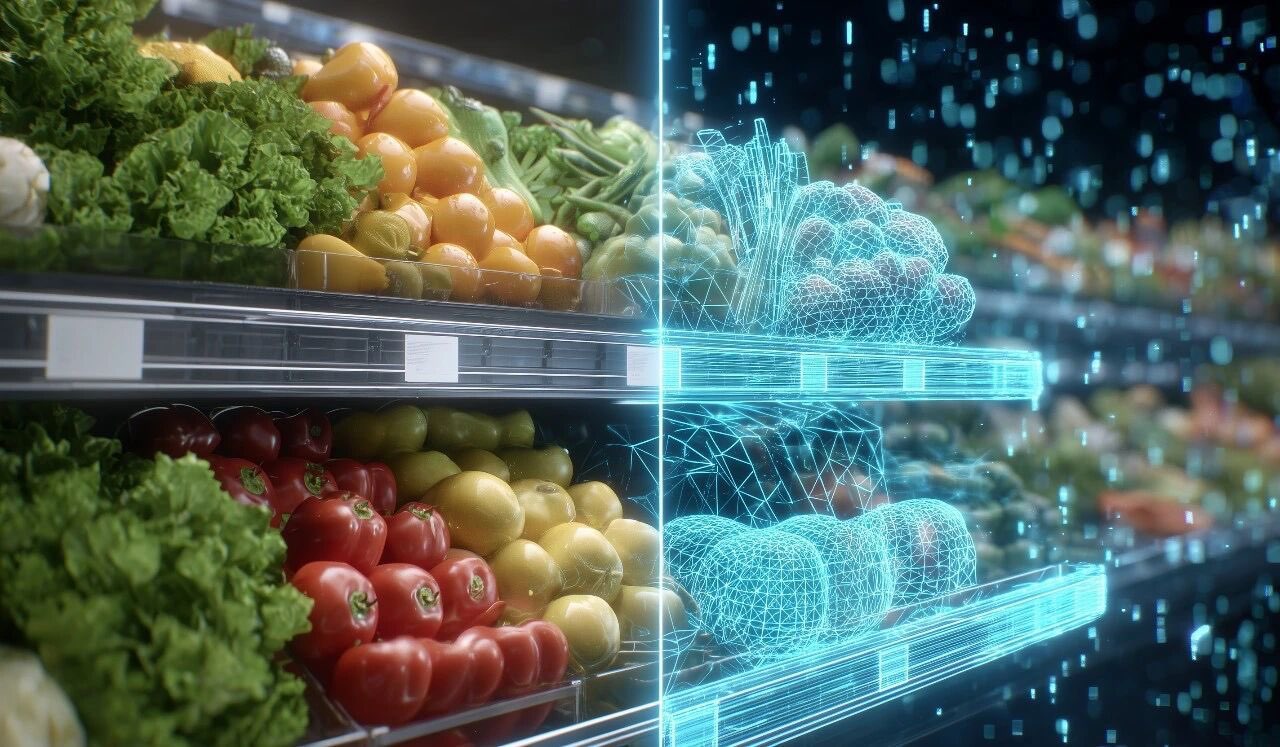
This superficiality extends to technology. Just as retailers mimic the look of discounters, they rush to launch muitiple mobile apps and delivery services to appear "digitally native." But behind the scenes, their operations remain surprisingly primitive.
Because ERP, CRM, and POS systems often operate in isolation, retailers face a "Data Silo" crisis:
The Inventory Blind Spot: Online orders frequently clash with physical stock levels because the app doesn't "see" what's on the shelf in real-time.
The Efficiency Gap: Despite having digital front-ends, staff are often still stuck using manual spreadsheets for scheduling and restocking.
Whether it’s blind price-cutting or disconnected apps, the root problem is the same. Retailers are trying to solve structural problems with cosmetic solutions. Without a unified system to connect cost control with data visibility, these transformations are doomed to fail.
The Fix: From Renovation to Re-architecture
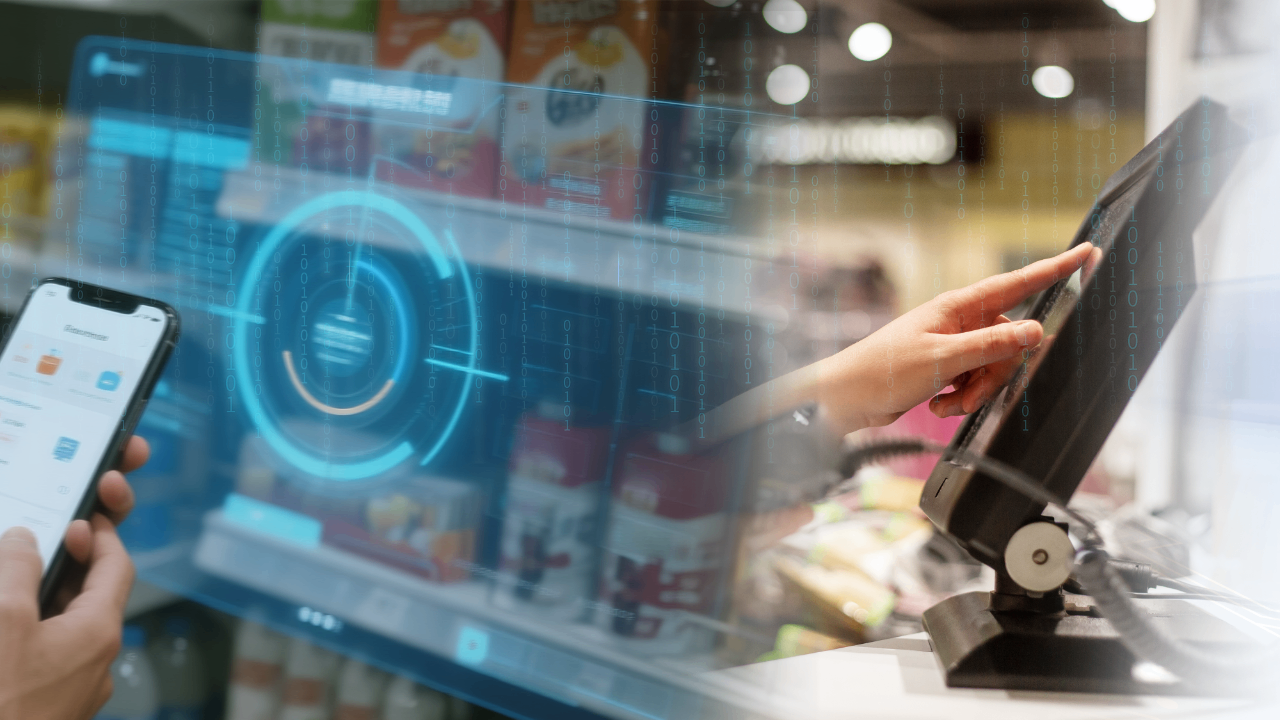
Winning in the future isn't about having the best store design; it's about having the smartest supply chain. Success requires moving from "store renovation" to "system re-architecture."
This is where retail SaaS providers like Dmall step in. They provide not just software, but a comprehensive Operating System (OS) that bridges the gap between legacy infrastructure and modern demands.
Before the Pivot (Diagnosis): Instead of guessing what to sell, the system analyzes local demographics and purchasing habits to scientifically determine the store’s layout and optimal product mix.
After the Launch (Agility): The OS tracks performance metrics in real-time—like sales per square foot and labor efficiency—allowing the store to optimize operations daily, not quarterly.
Case Study: Zhongbai Group’s Systemic Reset
The transformation of Zhongbai Group serves as a blueprint for the industry. By partnering with Dmall, the retailer moved beyond cosmetic changes to overhaul its entire backend logic.
Automated Fulfillment: Customer orders now trigger instant inventory checks and calculate the fastest picking paths for staff.
Smart Replenishment: Instead of manual ordering, the system analyzes sales velocity to automatically generate restock orders.
The Result: A drastic reduction in stock-outs and waste, creating a unified experience for the customer powered by a unified data environment.
Conclusion
▼
The current turmoil in China’s supermarket sector is a necessary correction. It signals the end of the "growth-at-all-costs" era and the beginning of the efficiency era.
For retailers, the lesson is clear: Transformation is not a one-time project; it is a permanent upgrade to your operating logic. By shifting from a "renovation mindset" to a "systems mindset," retailers can build the resilience needed to survive the winter and thrive in the spring.